
By Emily Johnson
As someone covering world news from Florence, Colorado, I watch global developments closely—and right now, three areas stand out: climate action moving past promises, international health systems pushing for more control and sustainability, and the resurgence of conflicts that echo in every headline. Here’s a look at what’s unfolding around the world, and why it matters.
Climate Action: Promises to Practice
Countries and organizations aren’t just talking anymore. They’re delivering—or at least trying to. A major shift is underway, called the Global Climate Action Agenda, which emphasizes turning existing commitments into concrete results on clean energy, resilience, and reducing emissions. A recent report shows how bodies like the United Nations are pushing governments, businesses, and communities to coordinate in themes like transport, forests, and cities.
Still, the world hasn’t kept pace with the most ambitious targets set after the Paris Agreement. In many countries, emissions continue to rise, and many climate promises (called Nationally Determined Contributions or NDCs) aren’t fully on track. Experts warn of an “ambition gap”—we know what needs to be done, but doing it fast enough is a challenge.
Health Sovereignty: Building Self-Reliance
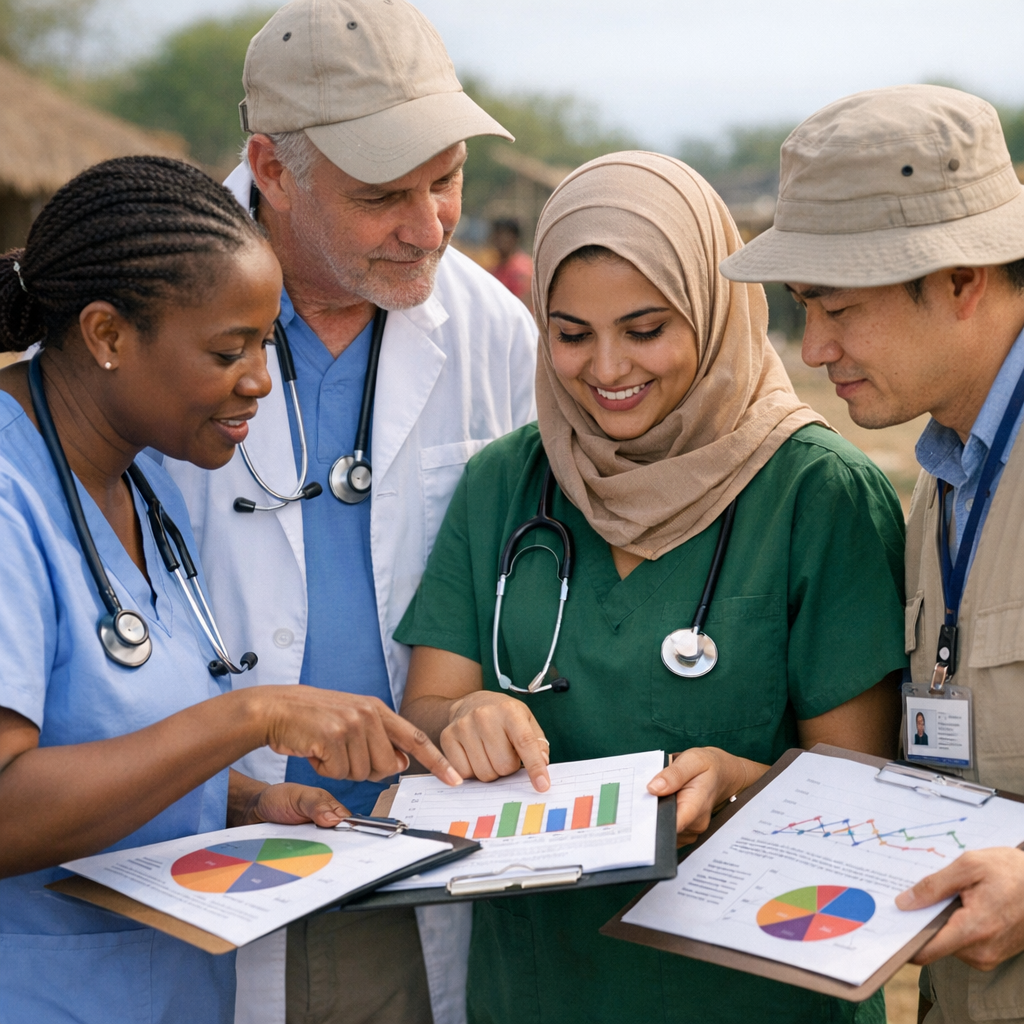
Recently, several African nations have begun moving toward health sovereignty amidst shrinking donor support. A new Ebola outbreak in the Congo and Uganda has prompted governments to support local financing, build more robust public health systems, and reduce dependency on external aid. This reflects a broader shift: countries are increasingly seeking to shape their own health priorities, while global bodies like the WHO are reforming structures to give more voice to regional and national stakeholders.
One example: the One Health Initiative, which connects human, wildlife, livestock, and environmental health to better prevent disease spillovers. Leaders around the world are expanding its mandate, planning for biodiversity risks, zoonotic diseases, and food systems. It’s about anticipating emerging threats, not just reacting.
Conflicts Resurfacing, Borders Shifting
Armed conflicts continue to disrupt lives, reshape borders, and destabilize regions. While specific wars vary in location and causes, many are increasing in intensity, involving nonstate actors, and invading civic spaces. The fallout rarely stays local—supply chains, migration, international norms, and refugee flows are all affected.
These conflicts force difficult questions: how do international laws keep pace? How can humanitarian aid be delivered without fueling further instability? It’s not just a concern for distant capitals; even communities like ours feel the ripples—through global inflation, energy markets, and shared values around peace and justice.
What We Can Watch Next
- Which climate policies turn into actions—not just declarations.
- How health systems continue to reclaim power in planning, funding, and responding to crises.
- Whether conflicts lead to long-term shifts in justice systems, borders, or international relations.
For our part in Florence, staying informed matters. The better we understand these global trends, the better we can connect to what’s happening abroad—and think about what our community might do, locally and in solidarity.