

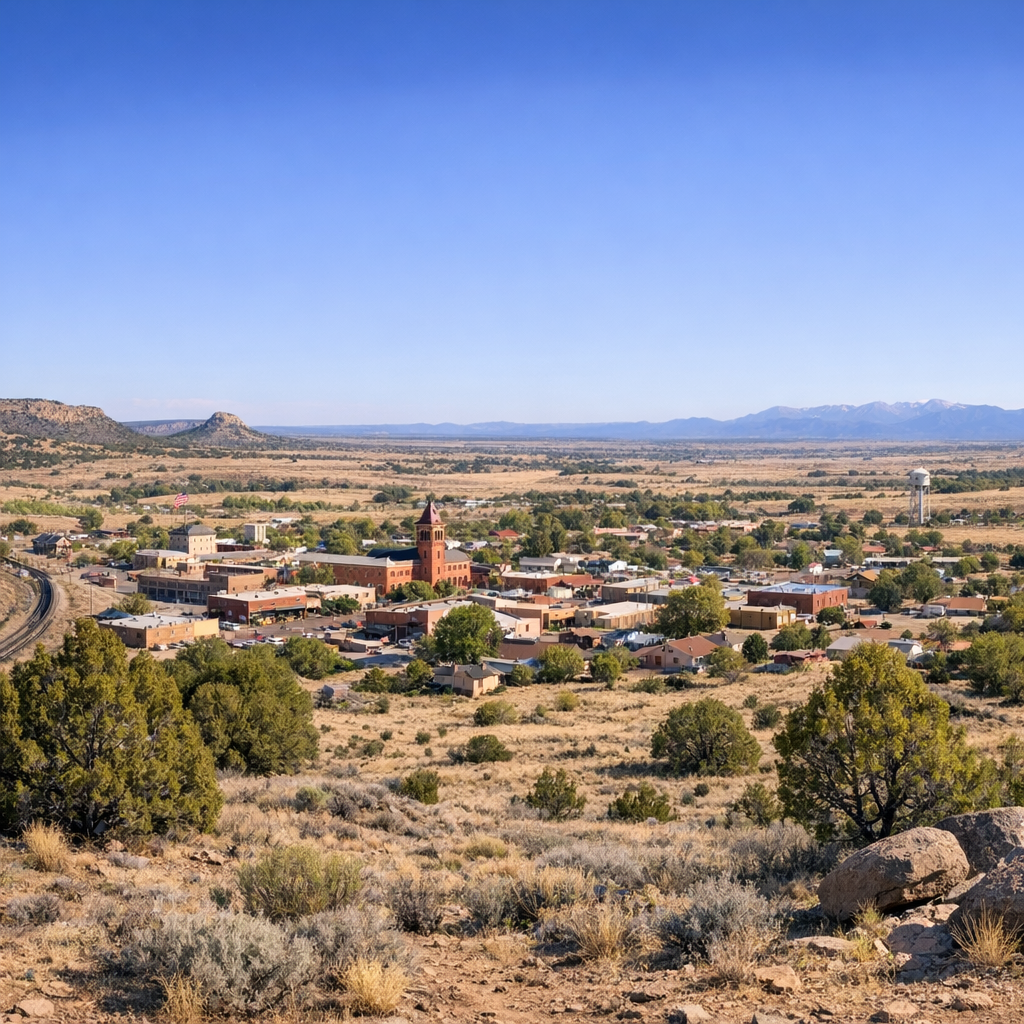
Florence, Colorado, experiences a cold semi-arid climate, characterized by distinct seasonal variations. Understanding these patterns can help residents and visitors prepare for the year’s weather.
Temperature Trends
Throughout the year, temperatures in Florence typically range from lows of 23°F to highs of 89°F. The warmest month is July, with average highs around 88°F, while December is the coldest, averaging lows of 25°F. Such fluctuations are common in semi-arid regions, where daily temperature swings can be significant.
Precipitation Patterns
Annual precipitation averages approximately 12.6 inches. The wettest month is July, receiving about 2.2 inches of rainfall, whereas January and November are the driest, each averaging 0.31 inches. Snowfall is common in winter months, contributing to the region’s overall precipitation.
Seasonal Highlights
- Spring (March-May): Temperatures gradually rise, with average highs moving from 59°F in March to 74°F in May. Rainfall increases, supporting the blooming of local flora.
- Summer (June-August): Warm temperatures prevail, with July being the hottest month. Afternoon thunderstorms are frequent, providing much-needed moisture.
- Autumn (September-November): A gradual cooling trend occurs, with highs decreasing from 80°F in September to 56°F in November. Precipitation decreases, and the landscape transforms with fall colors.
- Winter (December-February): Cold temperatures dominate, with average highs around 47°F in December. Snowfall is common, contributing to the region’s water resources.
Environmental Considerations
Florence’s semi-arid climate means water conservation is crucial. Residents are encouraged to use water efficiently, especially during drier months. Additionally, the city has been proactive in monitoring water quality. Recent initiatives include a comprehensive inventory of water service lines to ensure the safety and reliability of the water supply.
Understanding Florence’s climate patterns allows the community to better prepare for seasonal changes and address environmental challenges effectively.